This complete weddings in Croatia guide for 2027 and 2028 covers everything you need to know about getting married in one of Europe’s most breathtaking destinations.
Planning a wedding in Croatia is an invitation to create not just a day—but an unforgettable experience for you and your guests. For many couples, Croatia’s beautiful coastline, historic towns, and picturesque islands make it a dream wedding destination that feels both elegant and effortlessly beautiful. Whether you are dreaming of a symbolic seaside ceremony, a legal civil wedding, or a church celebration, weddings in Croatia are known for their stunning locations, Mediterranean cuisine, and seamless destination appeal.
This guide explains the different types of weddings in Croatia, the best places to get married, legal requirements, ideal seasons, costs, travel considerations, and essential planning tips. If you’re considering a destination wedding, this Weddings in Croatia Guide will help you plan every detail with confidence and ease.
Updated with the latest 2026 planning information, this Wedding in Croatia guide brings together all the essential advice you need to plan your wedding in Croatia.
Once you understand the basics, read our Croatia wedding planning tips to help you plan your Croatia wedding celebration.
Table of contents:
-
Why choose Croatia for your wedding
-
Wedding planning process
-
Croatia wedding destinations
-
Types of wedding ceremonies
-
Top wedding locations in Croatia
-
Cost of weddings in Croatia
-
Croatia wedding traditions
-
Chic Croatia tips and recommendations
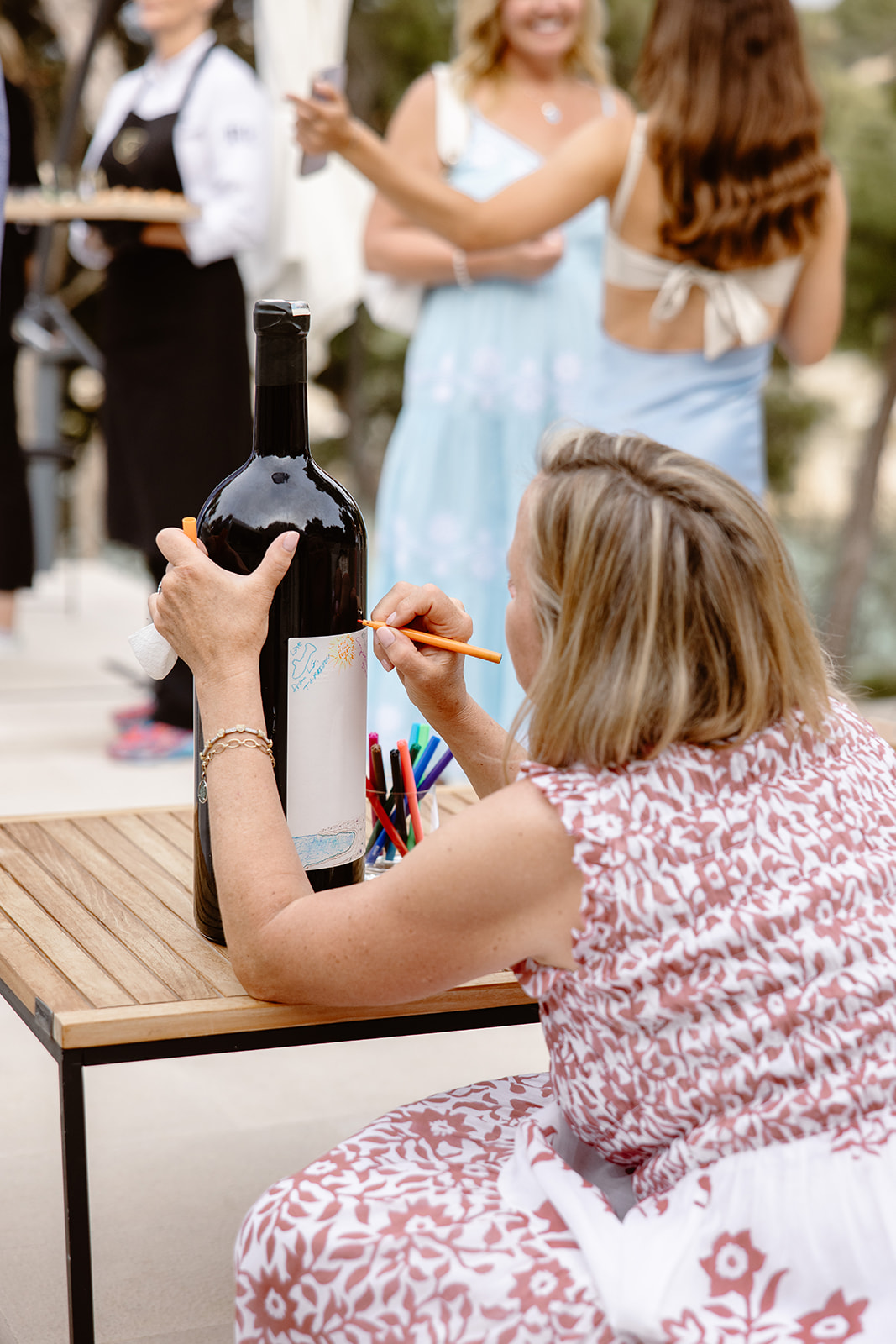
WHY CHOOSE CROATIA FOR YOUR WEDDING
From historical, ancient castles to the romantic, seashore wedding venues, promising a true wedding fairytale. There are numerous breathtaking wedding destinations to choose from for your wedding in Croatia. You can choose from a range of beach venues, inland locations, to the actual Game of thrones filming venues.
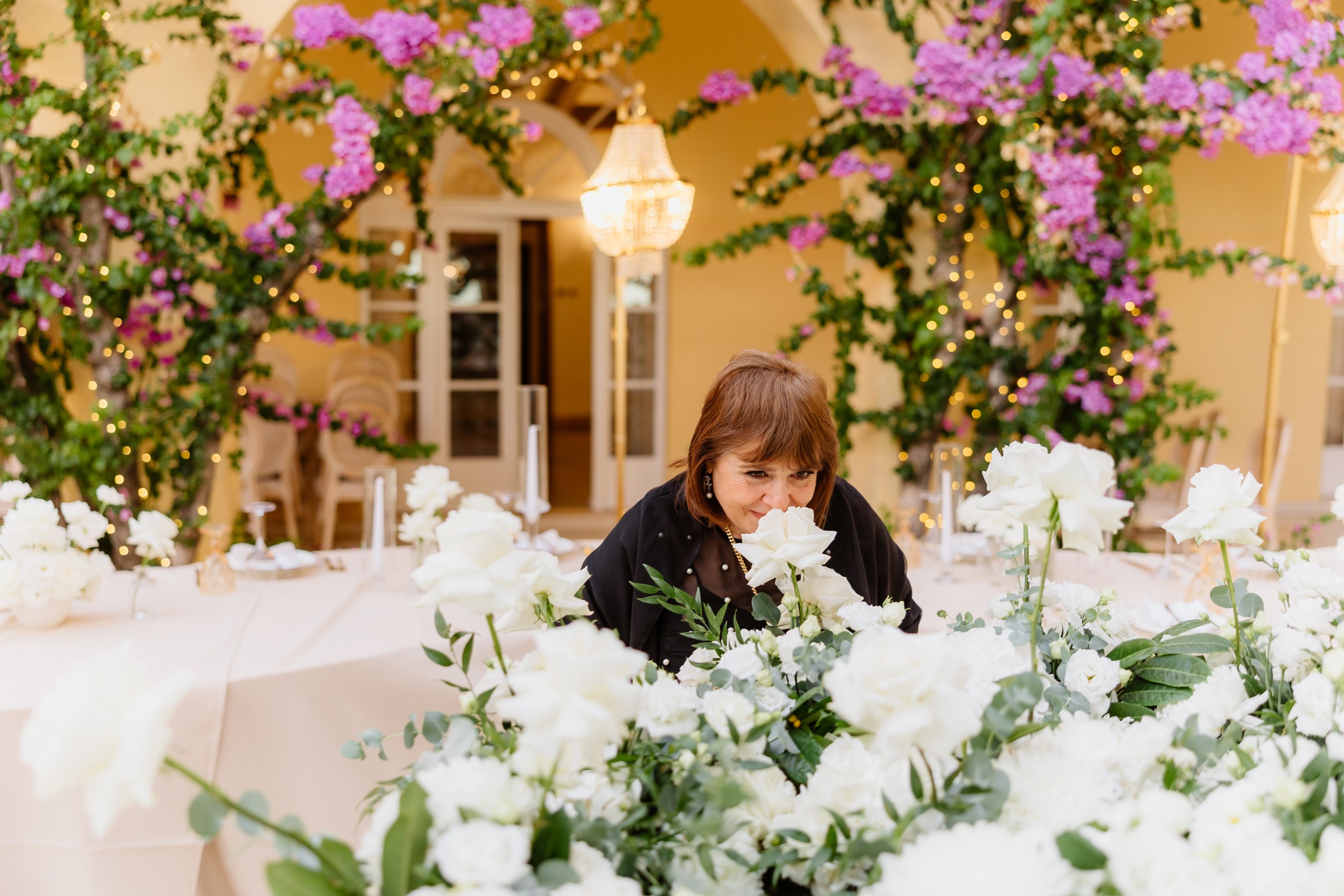
Beautiful wedding locations
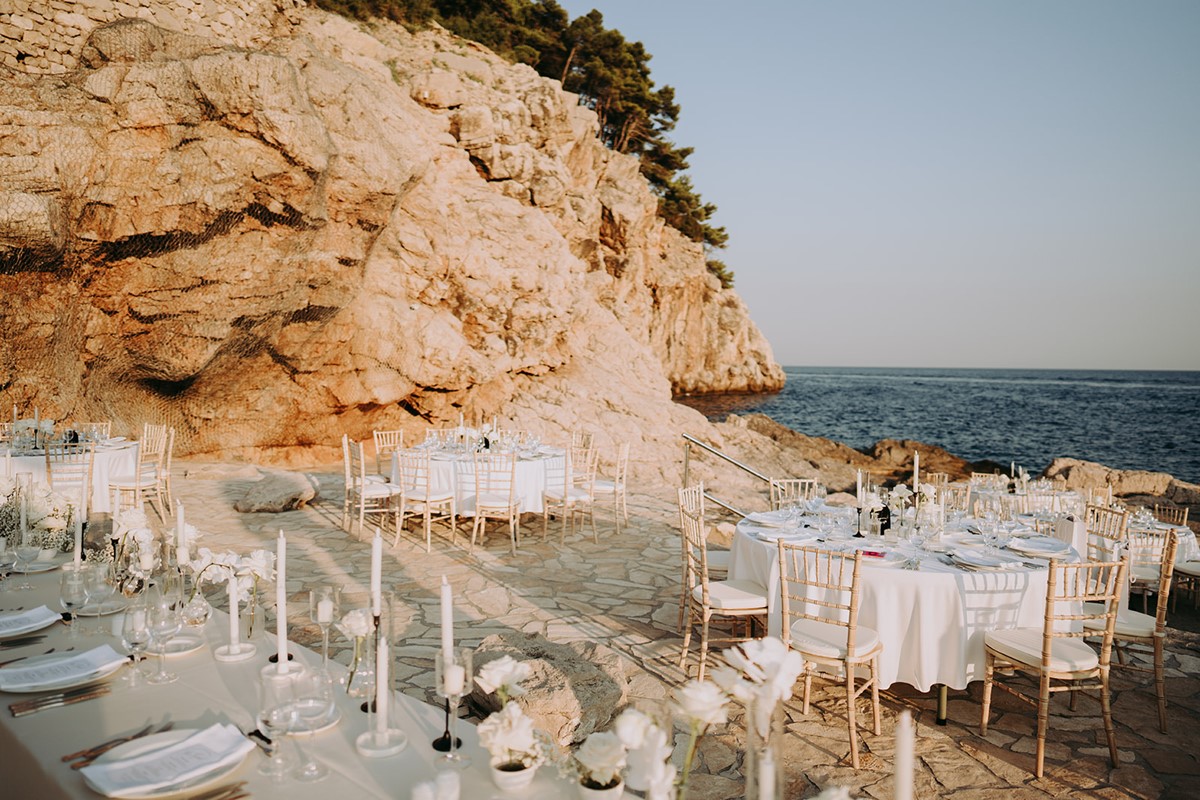
There are many spectacular wedding venues throughout Croatia — from mountain overlooks to vineyard estates and historic town settings. Couples can explore a wide range of options and choose the locations that best reflect their style and priorities. Keep reading the guide to find out more about a selection of wedding venues or follow this link to find out more about top Croatia wedding venues.
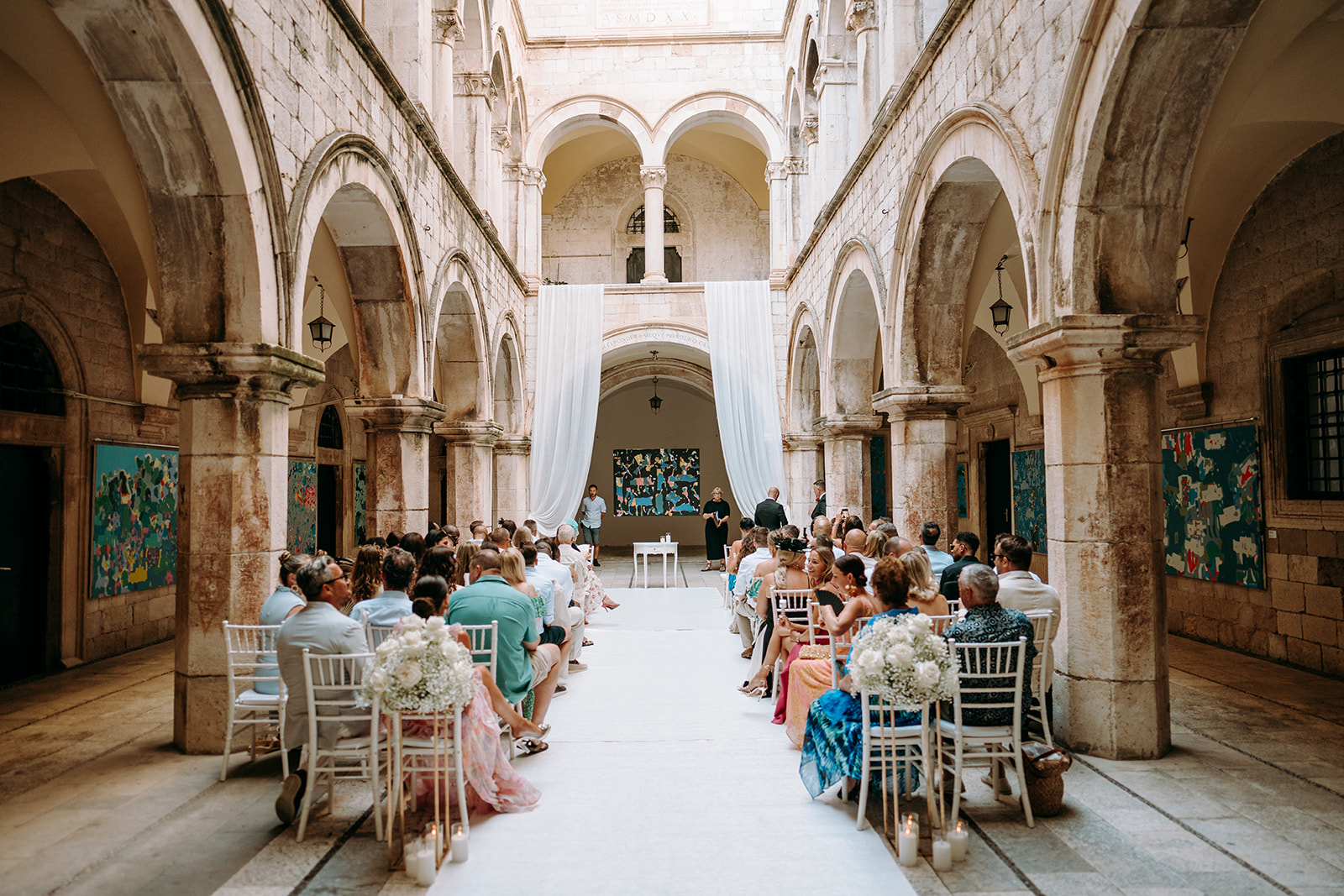
Fantastic food and wine
Did you know that traditional Croatian Mediterranean cuisine is one of the best cuisines in the world? ‘This is world-class food, world-class wine, world-class cheese. The next big thing is Croatia’ commented the famous late chef Anthony Bourdain. Croatian cuisine has been influenced by Roman and Greek cuisine, offering a variety of traditional Mediterranean dishes with a twist.

Chic vibe
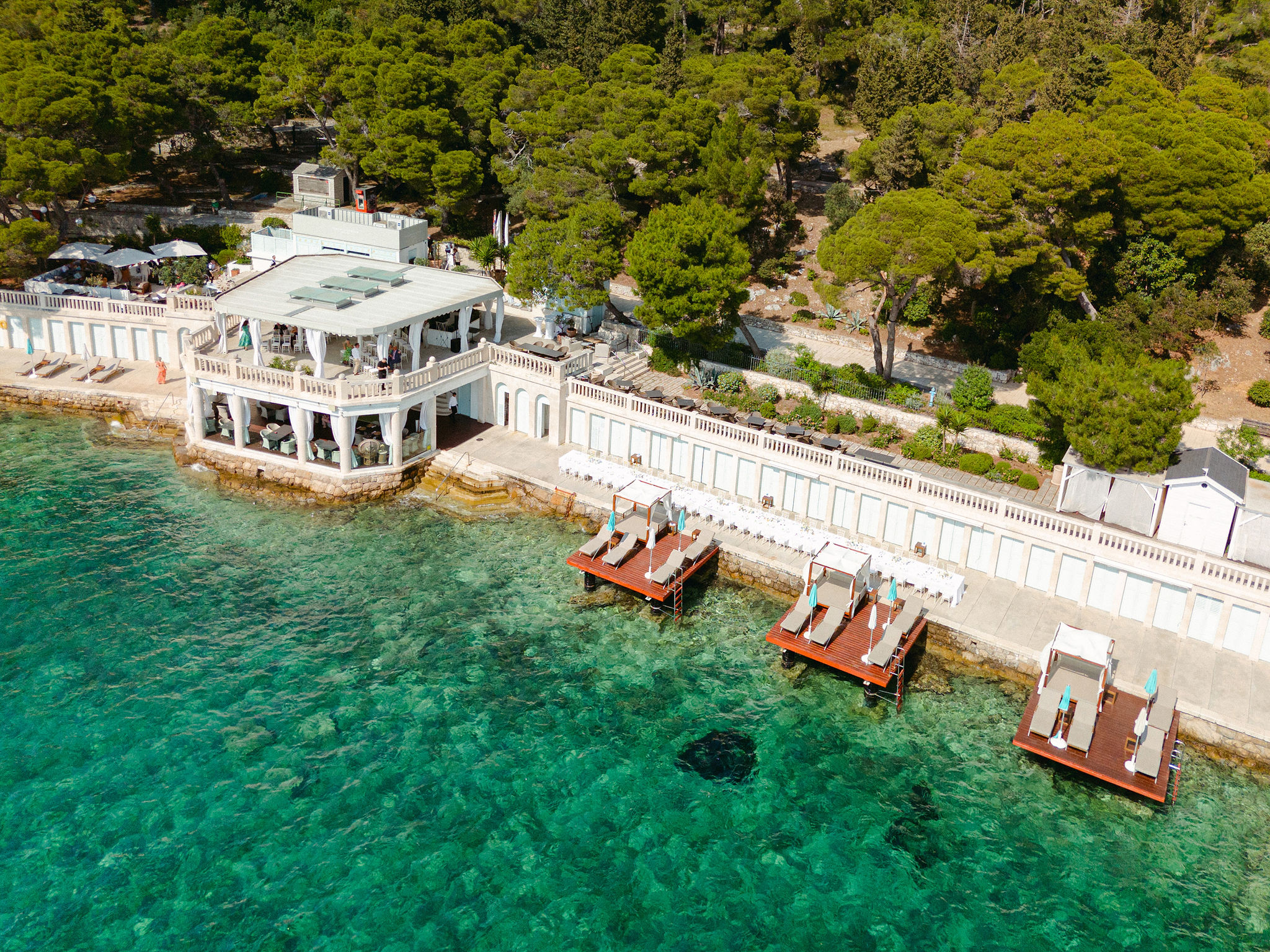
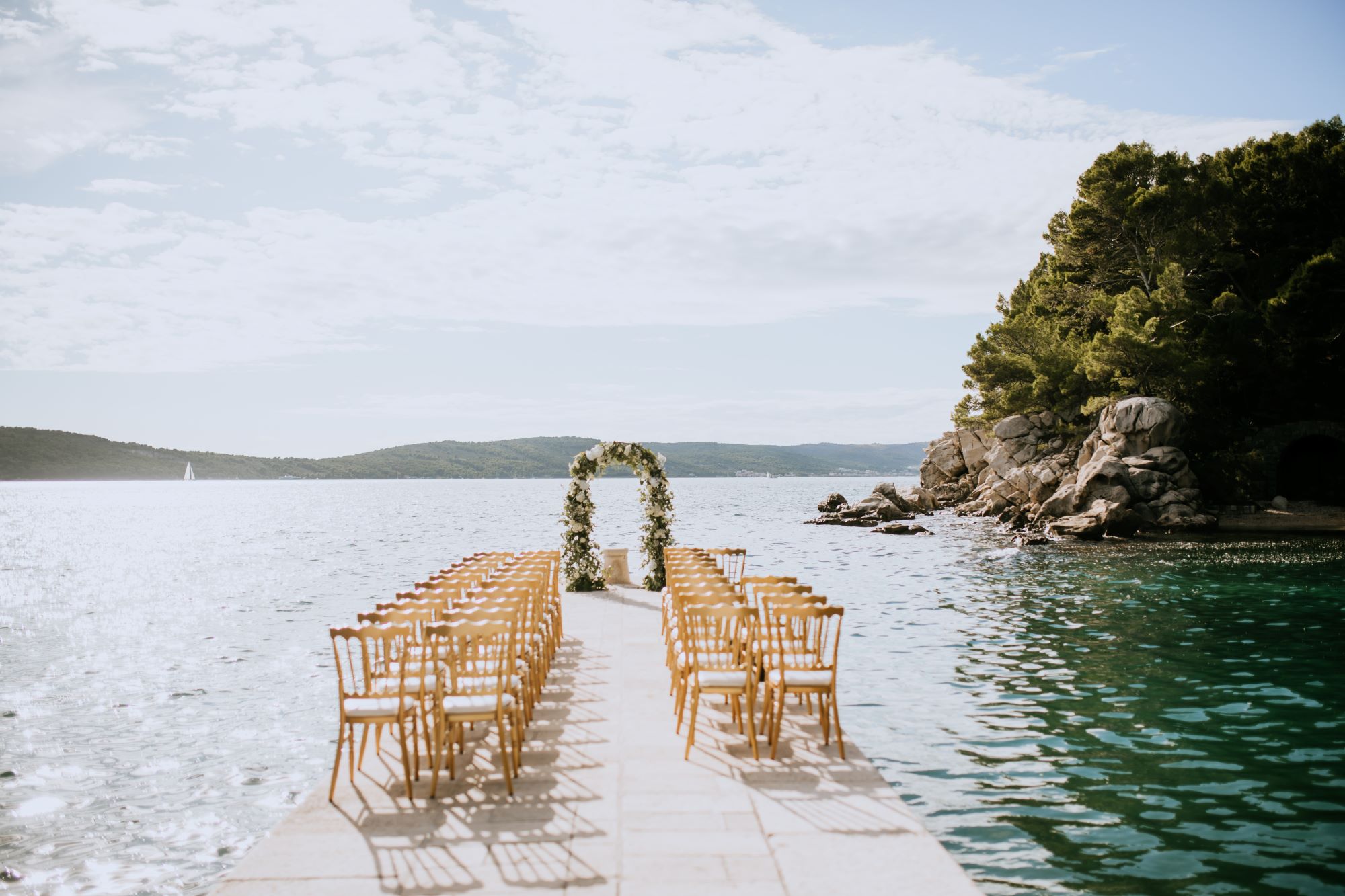
Croatia’s popular wedding destinations include the island of Brač (Zlatni Rat beach and the town of Bol) and other scenic locations recognized internationally. Vogue Paris and Glamour have featured these destinations for their appeal to visitors.
Sunny and warm weather
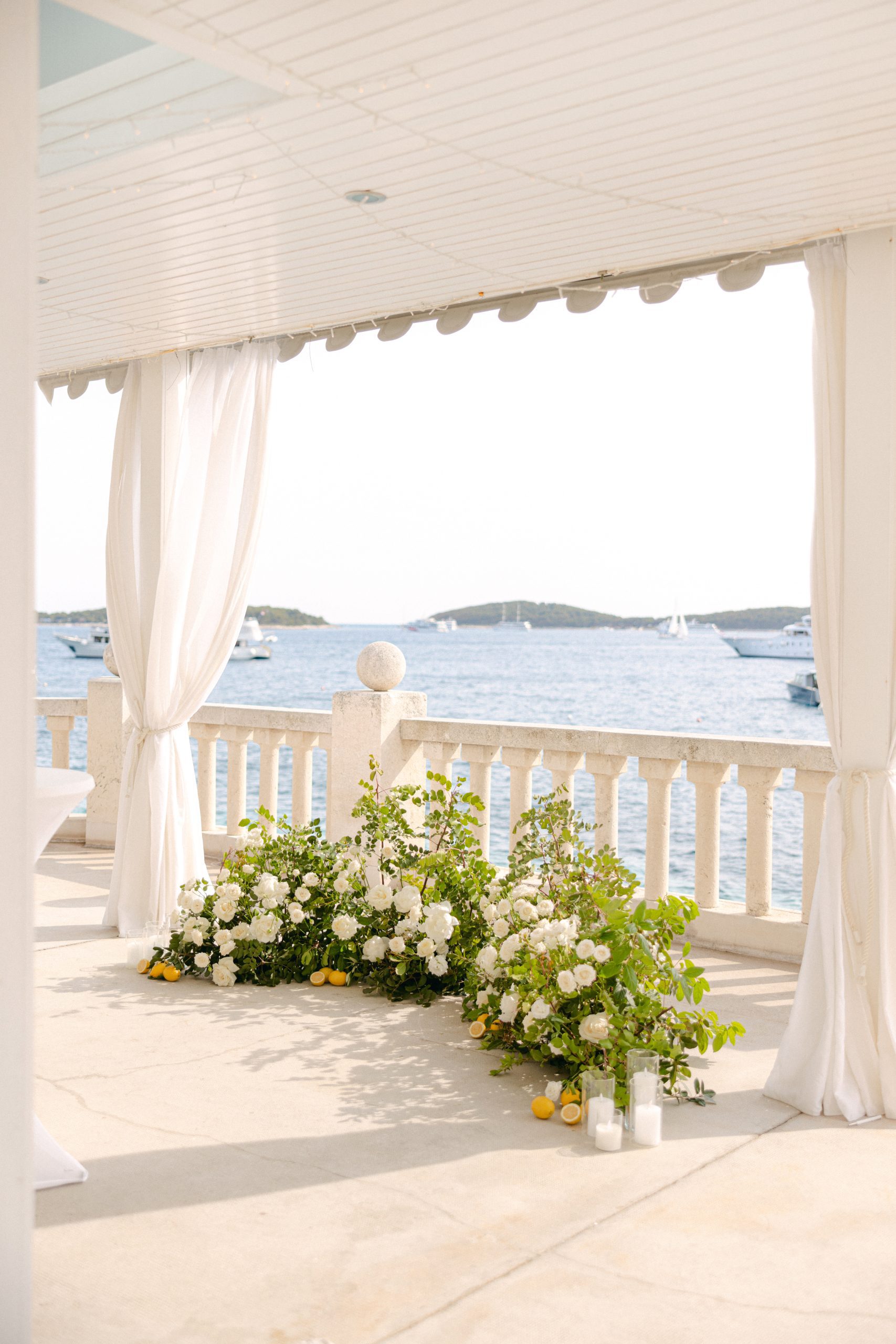
Croatia has a Mediterranean type of climate with dry, hot summers and mild winters. Summer temperatures range on average from 30 to 38°C with plenty of sunshine. During springtime and summer, Croatia’s weather is ideal for beach lounging and spending time outdoors.
WEDDING PLANNING PROCESS
Just got engaged? Congratulations! Planning a wedding in Croatia is an exciting journey, and the first step is to define your wedding vision. Consider how you imagine your special day — the style, atmosphere, and experiences that matter most to you as a couple. These priorities will guide every decision, from choosing the right location to setting a date.
Next, it’s time to explore your options for local support. Many couples work with a wedding planner in Croatia to help coordinate vendors, venues, and logistics, especially if planning from abroad. Research several planners to find someone whose style, approach, and experience align with your vision.
Once you’ve selected a planner, discuss the main elements of your wedding: venue preferences, ceremony type (civil, church, or symbolic), guest list size, and any special touches that make the day uniquely yours. Finalize your budget – that is one of the top priorities when it comes to planning a wedding in Croatia.
Finally, with the help of a planner, create a checklist to keep track of decisions, bookings, and deadlines. Download the Croatia wedding planning checklist for a complete overview of all decisions, big and small.
CROATIA WEDDING DESTINATIONS
There are several factors to take into consideration when choosing your wedding destination in Croatia. First outline all the destinations that are appealing to you and then narrow down your choices. Consider your budget as well as where your guests are arriving from. The destination must be easily accessible, especially if you’d be having a mid to large-size party. Keep in mind any possible travel or visa requirements.
Furthermore, consider your wedding date and wedding season, and try to pick a destination that will be appealing to your guests. Your wedding guests will love the opportunity to extend their stay and will often combine a wedding with a five or seven-day vacation.
We cannot include all the wedding destinations in Croatia, but below are the most popular wedding destinations in Croatia:
Central Dalmatia weddings
Central Dalmatia includes the islands of Brač, Hvar, Šolta, and Vis, and the cities of Split, Šibenik, Trogir, and nearby towns. This region offers a variety of beach, historic, and countryside venues — all easily accessible via Split Airport and ideal for weddings. The Airport of Split has many direct routes to major European destinations.
From magnificent beach venues to historical castles, this region offers endless wedding options for a spectacular wedding in Croatia.
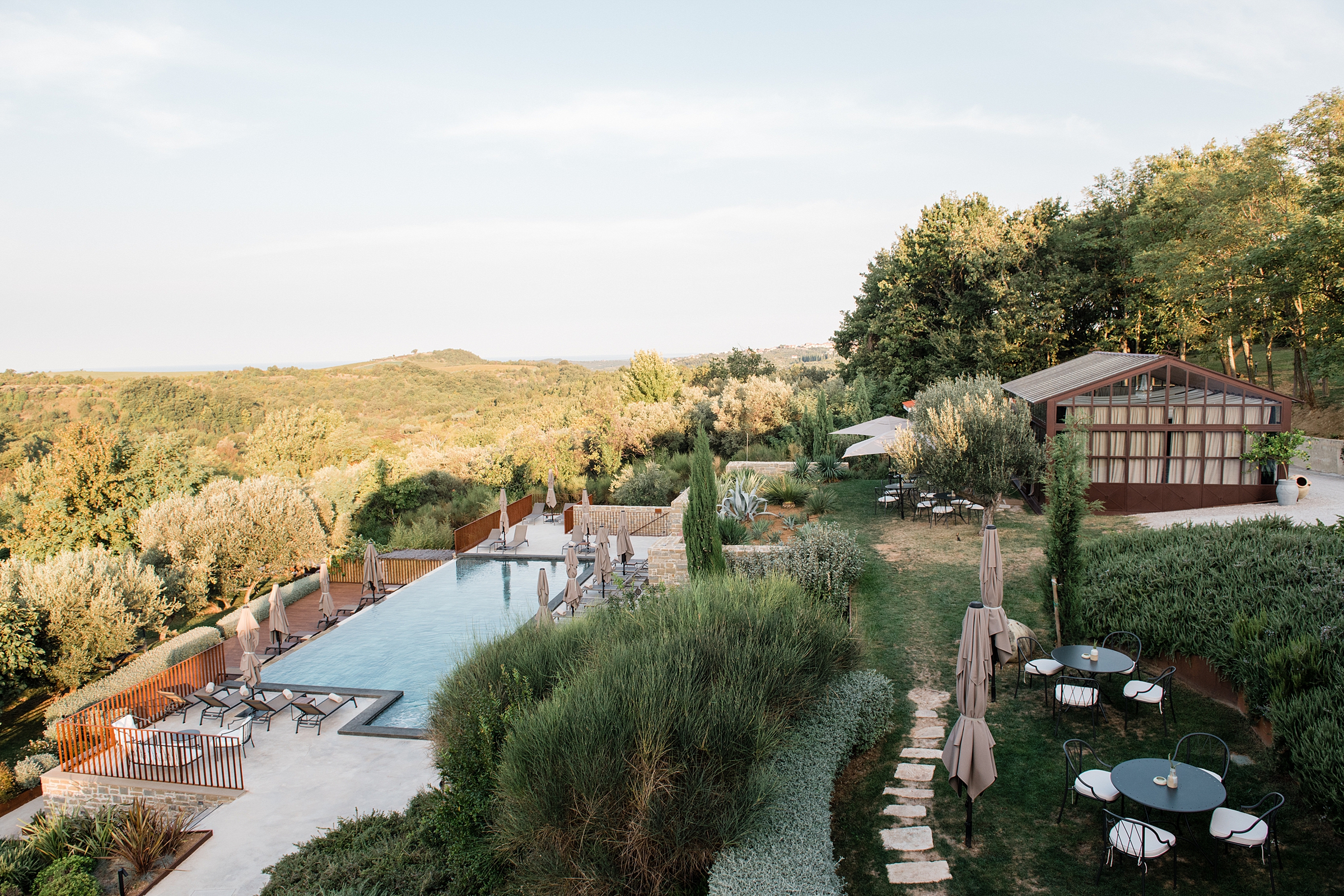
Istria weddings
it is the largest peninsula in Croatia positioned in the country’s northeast. Famous for its cuisine and wine experience, beautiful landscapes, and many attractions, Istria is one of the most popular travel destinations in Croatia. There are many incredible wedding spots and venues in Istria to choose from for your memorable wedding in Croatia.
Dubrovnik weddings
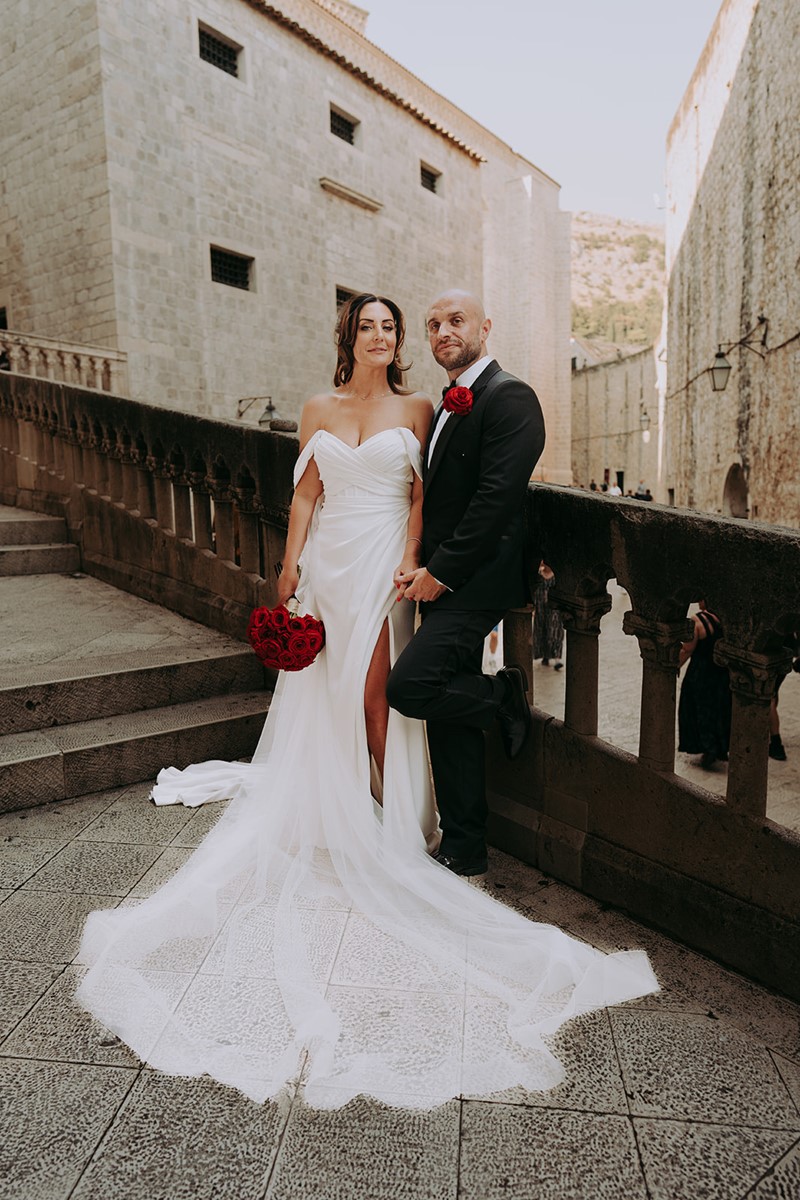
Whether you’re dreaming of a medieval fortress wedding or a chic garden wedding, the pearl of Adriatic has got you covered. Undeniably, Dubrovnik is one of the top wedding destinations in Croatia and worldwide. It features many unique and distinctive wedding venues, such as Sponza Palace, Rectors Palace, the historical Lazareti complex, and others.
TYPES OF WEDDING CEREMONIES
Couples getting married in Croatia can choose from several types of ceremonies. Options include a civil ceremony, a church ceremony, or a symbolic celebration, depending on personal preferences.
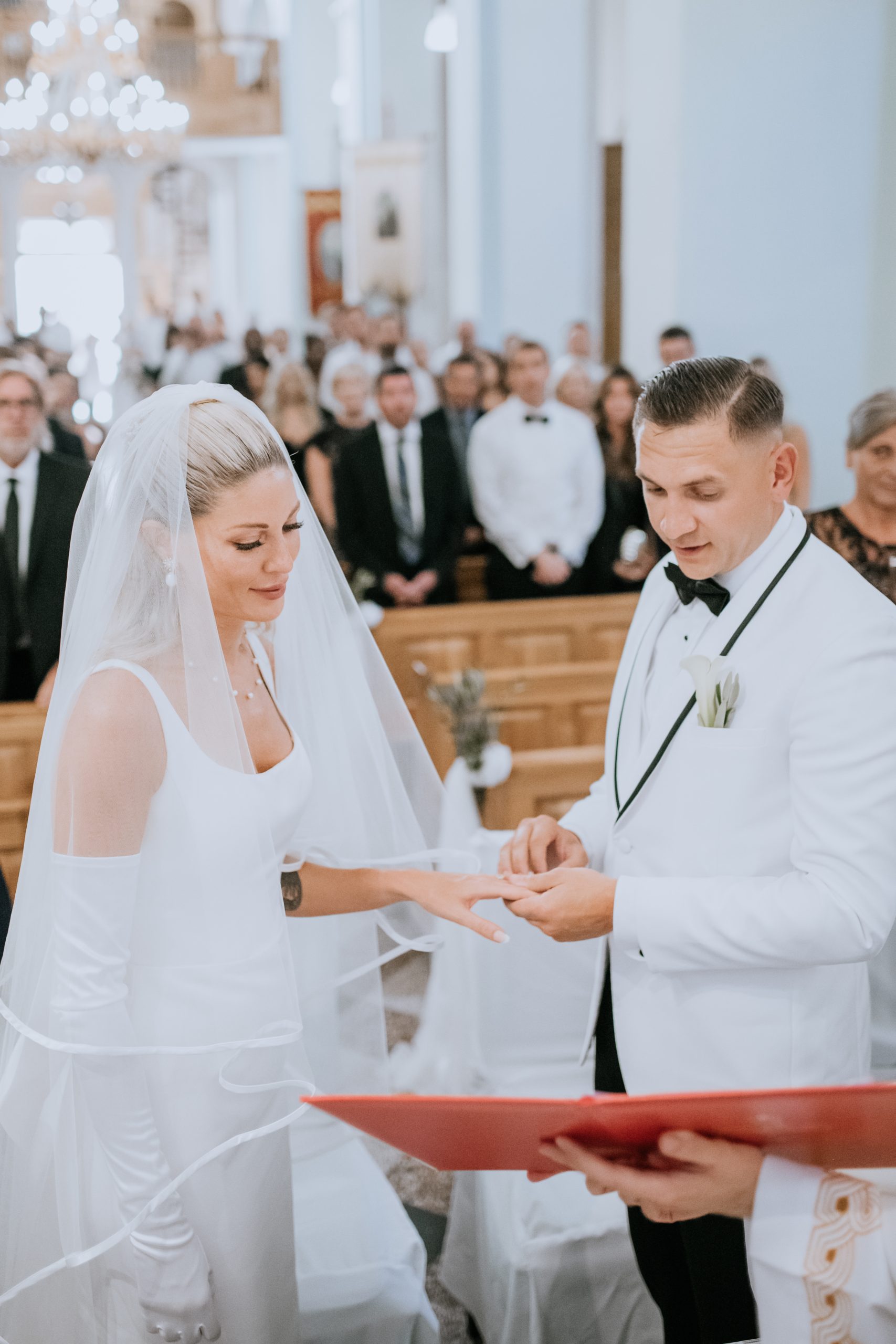
1. Church ceremony
The majority of churches in Croatia are Roman catholic. There are many breathtaking churches and chapels in Croatia to choose from for your ideal wedding ceremony site. Please keep in mind that a religious wedding is not legally binding, so you will have to register your marriage legally. Most of the church weddings in Croatia need to take place inside; it is only possible to organize a church wedding outside on rare occasions. A few of the most important points when it comes to a church ceremony are:
– Announce your wedding plans to your local priest
– Obtain a Nihil Obstat document/ a declaration of no objection and have it sent to the bishop’s office in Croatia. This is a ‘must-have’ document if you plan to have a wedding outside of your parish
– Get the documents on time and have them delivered to the Bishop’s office in Croatia ( prenuptial investigation form, wedding permission letter)
– Take a pre-marital course, required by the parish
2. Civil ceremony
A civil ceremony is the only legally binding wedding ceremony in Croatia. It is officiated by the Croatian legal authority (Registrar’s office officiant) either at the registrar’s office or at one of the breathtaking venues. The wedding officiant is located in each of the municipalities. Read more about legal marriage requirements and the process.
Below is the only brief information regarding the required documents, however, it is advisabble to share your nationality/residency details with the officiant so the Registrar’s office can double check the documents, as often required documents differ from one country to another. You will preliminary need the following documents:
– Valid passport
– Birth certificate
– Certificate of free-to-marry status
– Attend a meeting at the Registrar’s office a few days before the wedding
– Court-appointed translator for the ceremony
The documents often require to have an Apostille stamp and need to be translated into the Croatian language. To be on the safe side, we suggest that all documents are to be delivered no later than 20 to 30 days before the wedding date. Documents can not be older than three months.
3. Symbolic ceremony
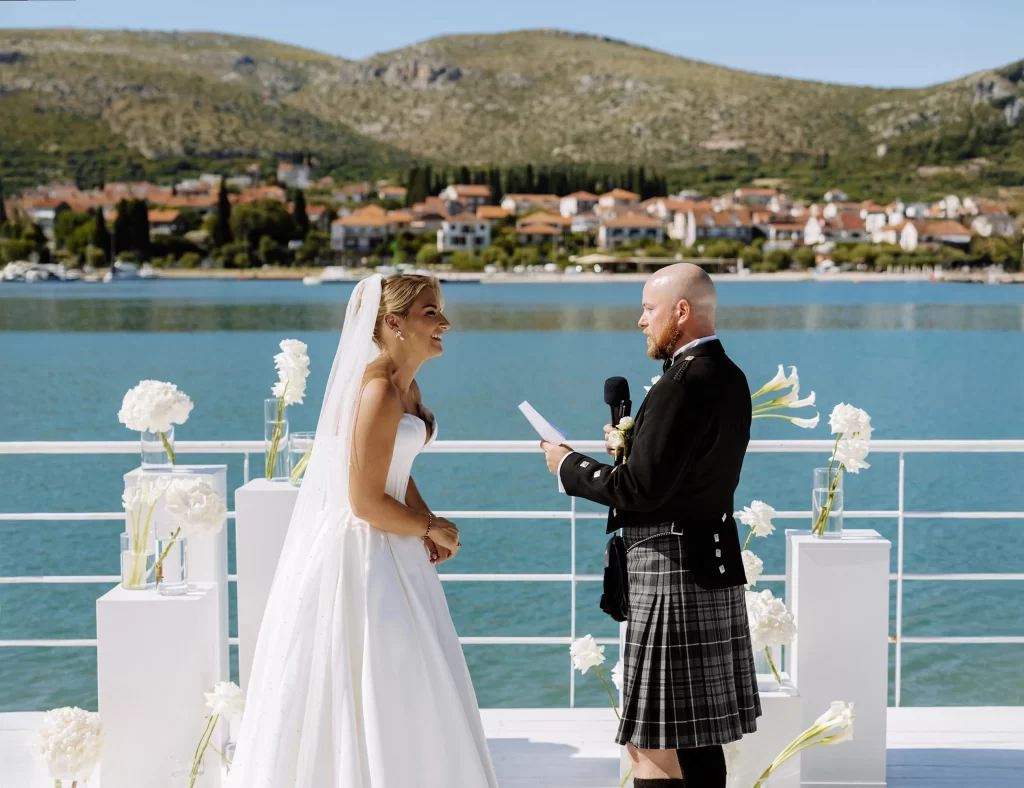
A symbolic ceremony is the easiest solution for couples who plan to do a civil or a church ceremony back home, and at the same time have a fun and memorable ceremony abroad. A symbolic ceremony typically lasts 15–20 minutes and can include a welcome, readings, and final blessings. It is not legally binding but can be personalized to create a memorable experience for your wedding party. This ceremony is not legally binding.
TOP WEDDING LOCATIONS IN CROATIA
City of Split
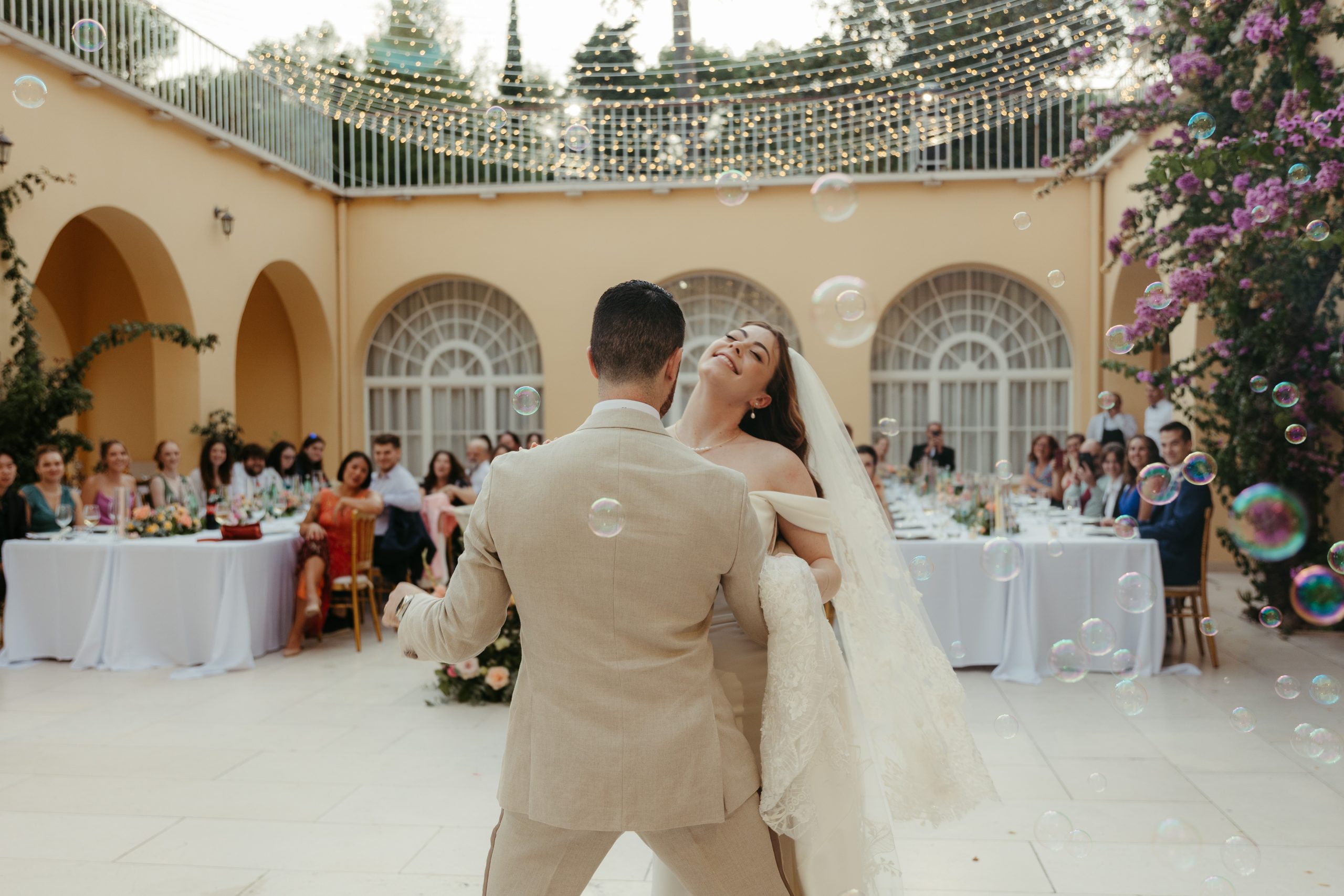
Positioned in the heart of Central Dalmatia, the city of Split is a vibrant port city, with its famous promenade Riva, charming cafes, and numerous attractions. It is one of the most popular wedding destinations in Croatia, next to Dubrovnik and the island of Hvar. The following are most popular wedding venues: Mestrovic gallery, Villa Dalmatia, numerous churches and chapels, and vibrant restaurants. Much of Split’s appeal comes from its chic old town and narrow alleyways filled with history. More information about planning a wedding in Split can be found in the dedicated Split wedding guide.
Trogir
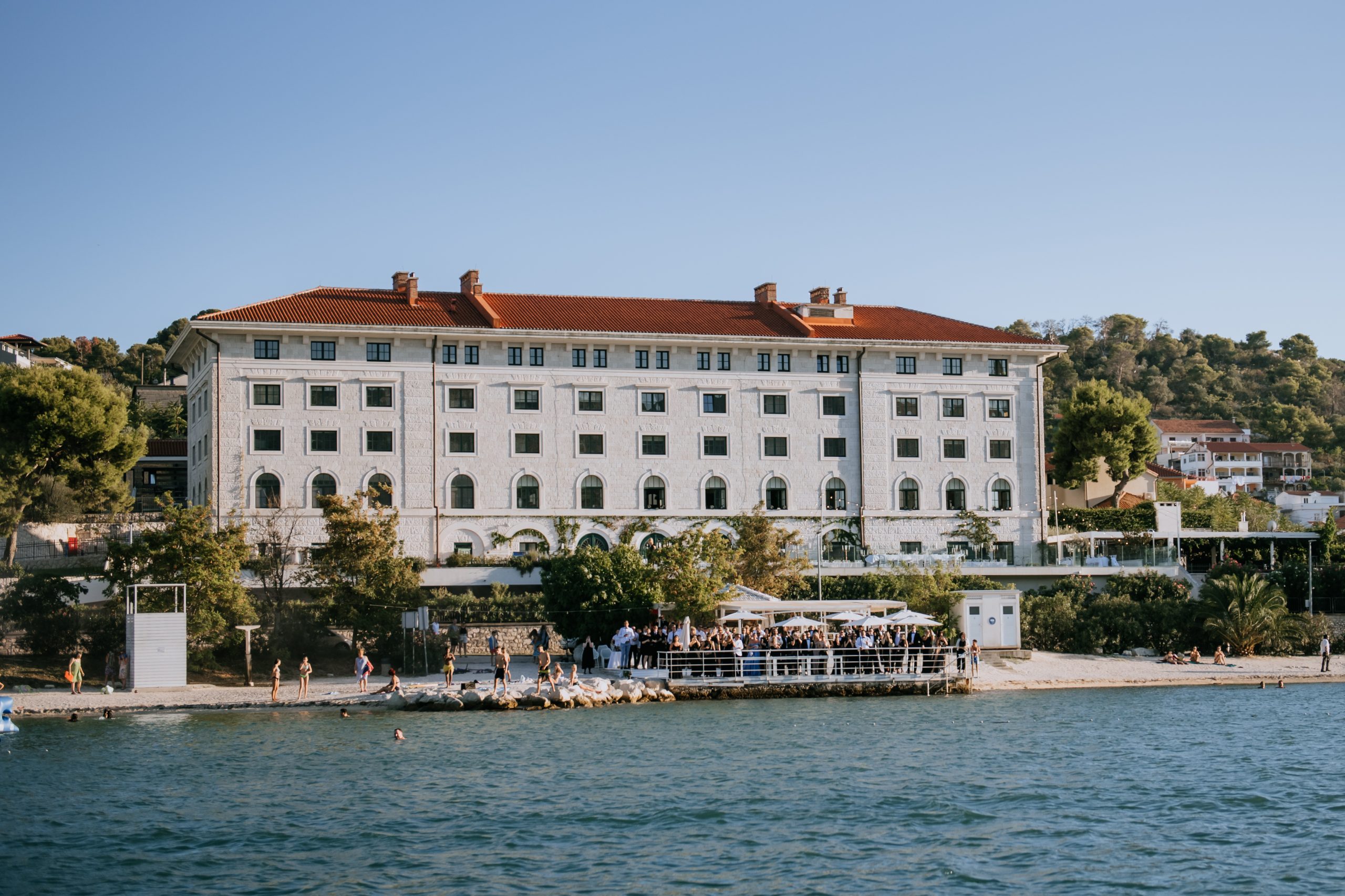
Positioned west-north of Split, Trogir is one of the oldest towns in Croatia, renowned for its fortified walls, unique architecture, and spectacular monuments. Trogir’s historical old town got its place on the UNESCO heritage list. Rich in history and culture, medieval Trogir is also sometimes referred to as the ‘Little Venice of Dalmatia’, for its numerous alleys and streets. Trogir’s Brown Beach hotel is one of the most popular venues offering beautiful views and style.
Island of Brac
The island is known for its olive tree groves and high-quality olive oil, and is easily accessible from the mainland. Among the island’s top attractions are numerous hiking sites, fantastic cuisine, and wine. It is difficult to highlight all our favorite wedding venues, so let us mention only a few: mount st Vid, Zlatni rat beach, and mini resort Nono Ban. The informative Brac island guide provides all the relevant information and advice for planning a wedding on the island.
Island of Hvar
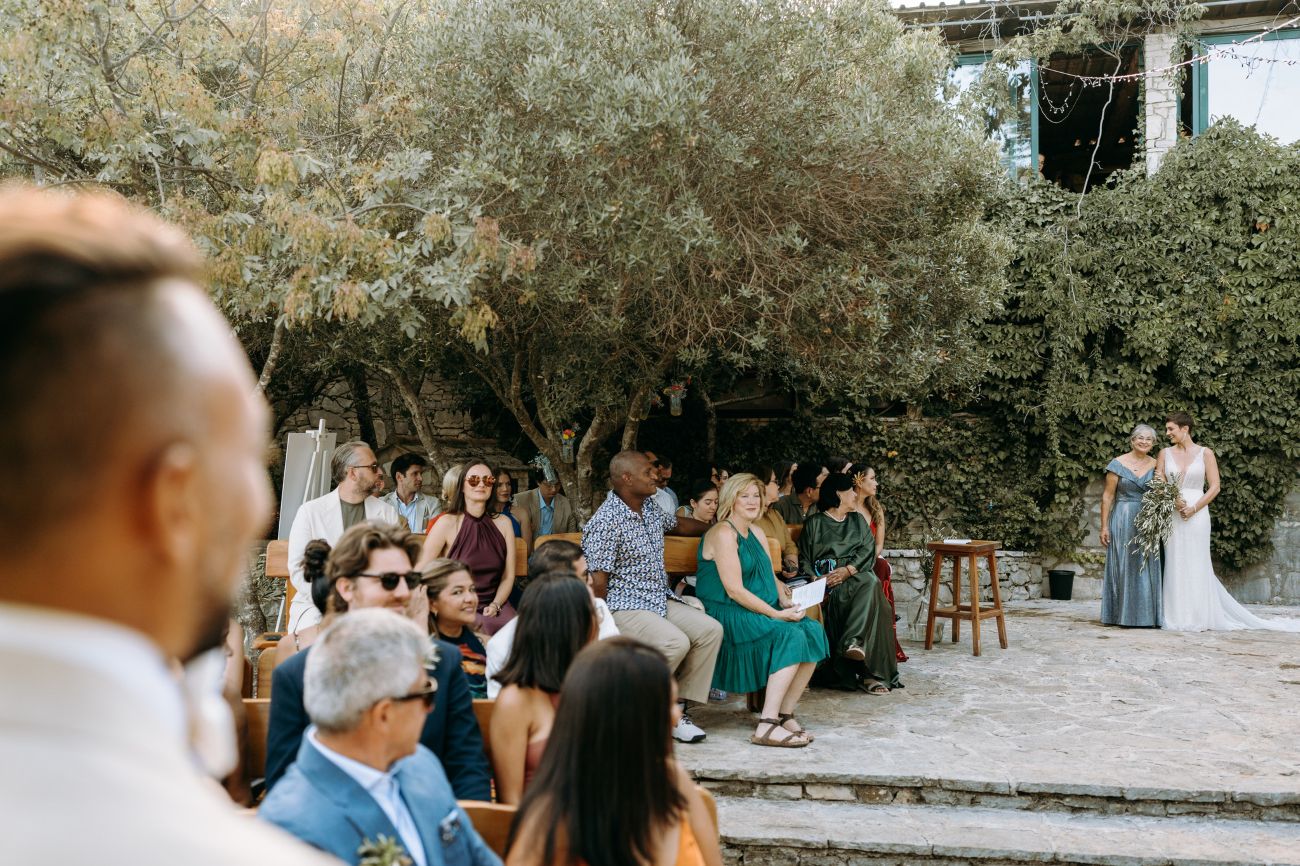
With an average of 2700 hours of sunshine per year, the island of Hvar is the sunniest island in Croatia. Due to warm weather, picturesque coves, unique attractions, hip bars, and a chic island vibe, the island is known as one of the most popular islands in this part of Europe. Furthermore, it is recognized as one of the top luxury wedding destinations in Croatia. The island’s most popular venues are: fortress Fortica, the famous Beach club, Franciscan monastery, and the summer residence of the poet Lucic.
Island of Vis
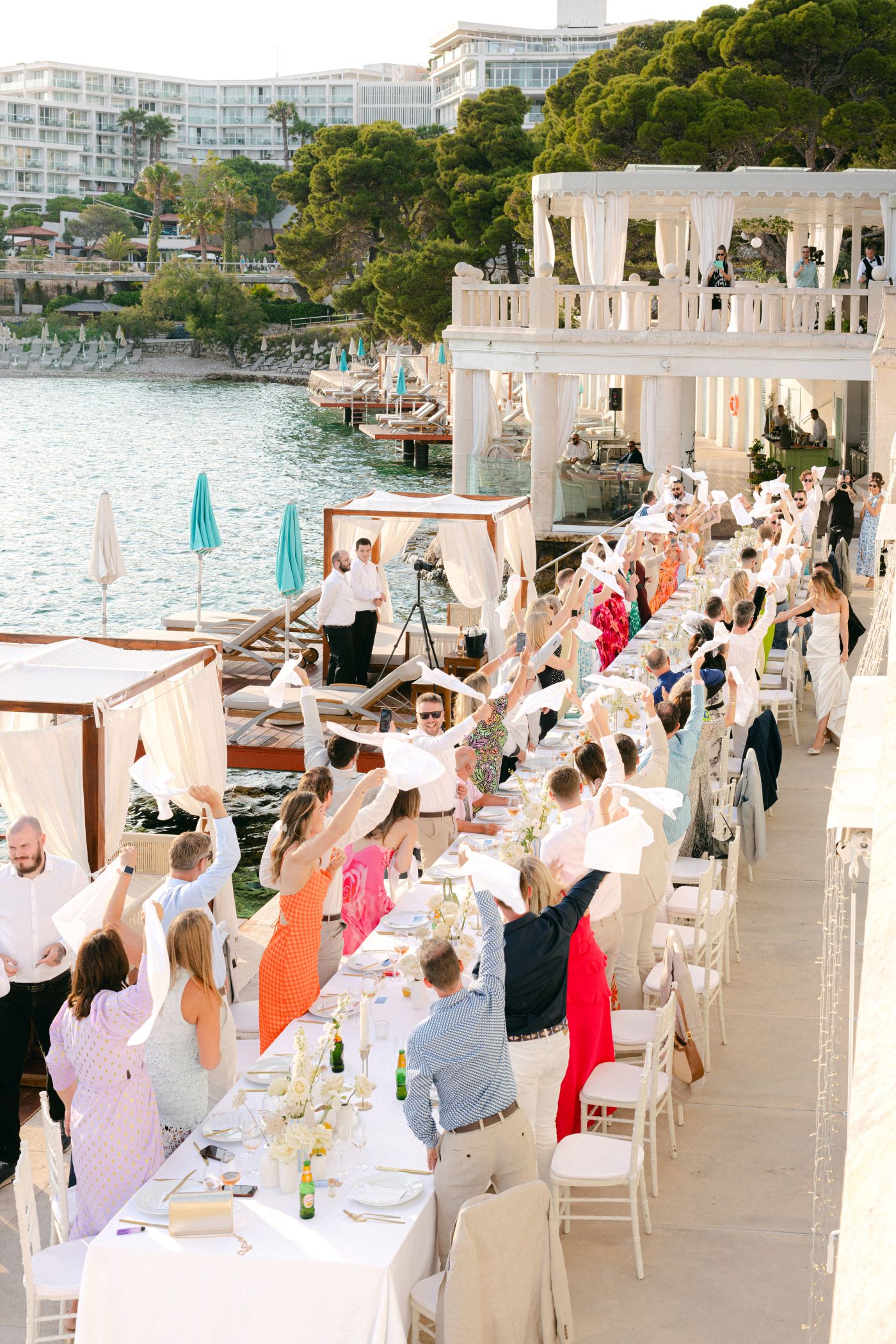
To conclude, one of the most charming islands is the island of Vis. Ideal for small to mid-size wedding celebrations the island of Vis attracts romance-seekers and adventurous souls. Recommended venues include the famous Fort George overlooking the open seas and bay of Vis, Srebrna beach, Hum hill, and many other spectacular venues.
Dubrovnik
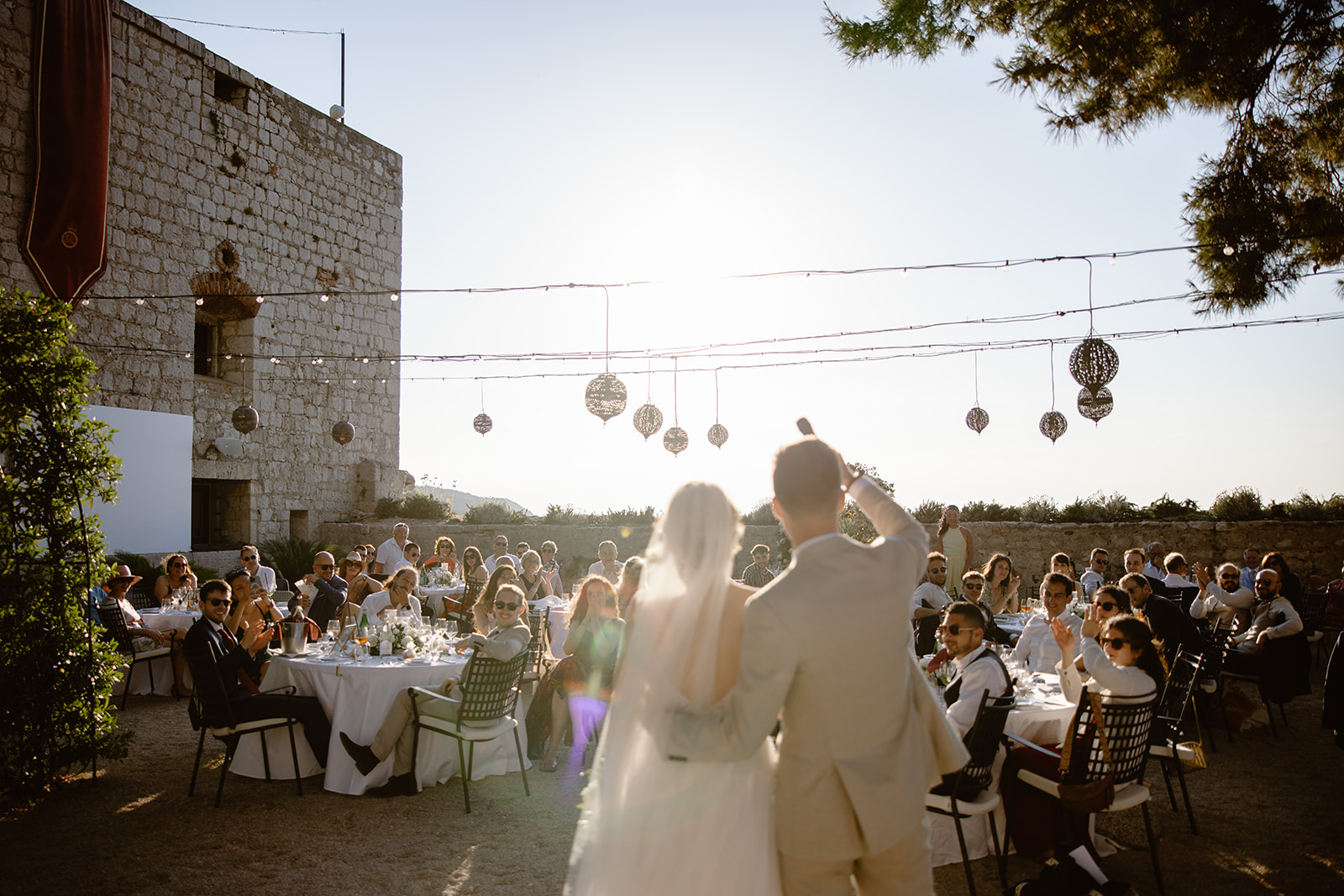
Croatia’s jewel city is undoubtedly Dubrovnik, one of the most beautiful destinations in the country. To learn more, read the detailed Dubrovnik guide and Dubrovnik wedding venues recommendations.
Istria
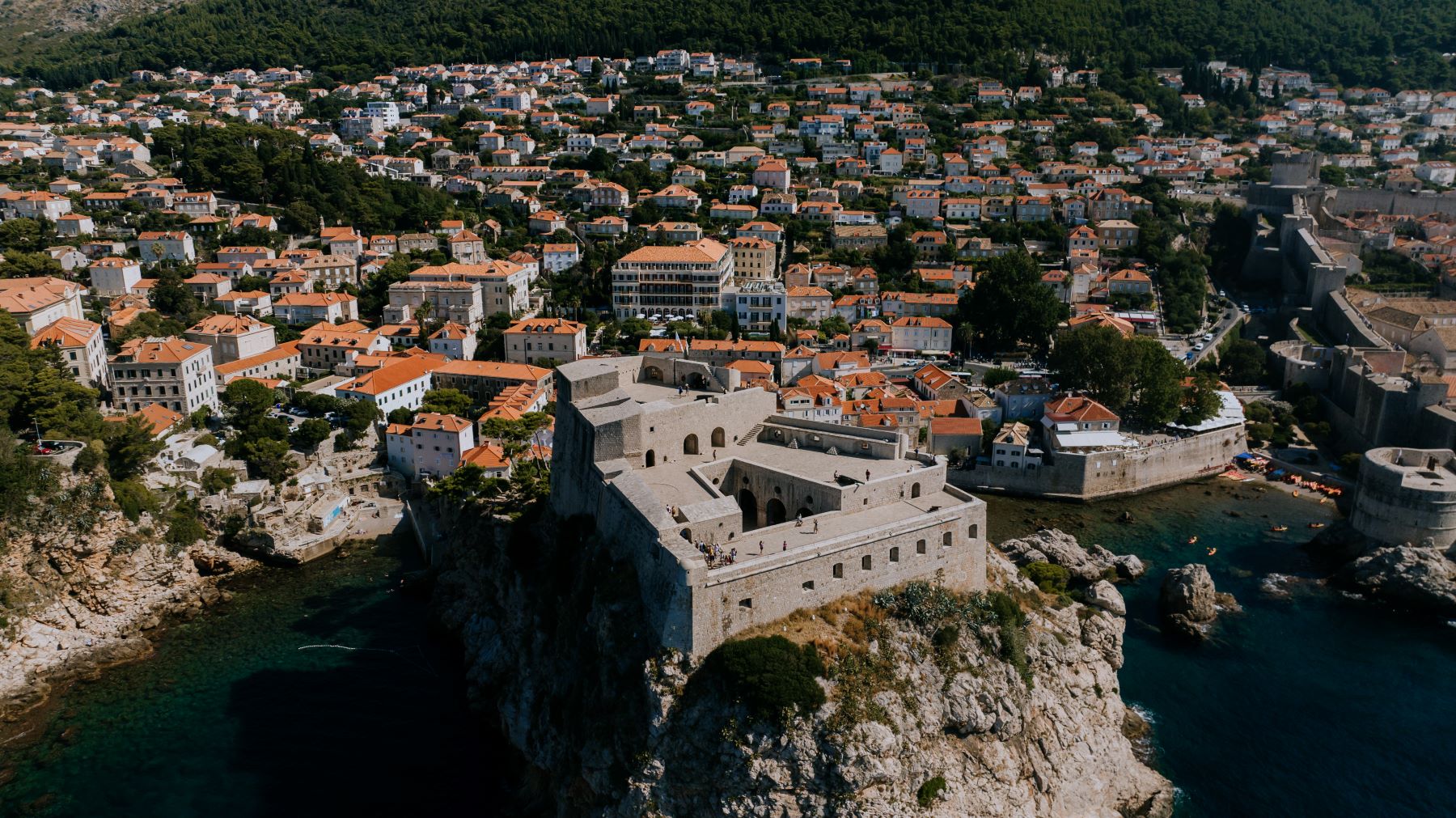
Istria is located in the northwest of Croatia and is one of the most picturesque regions in the country. Often described as the “Croatian Tuscany,” this area has many charming wedding venues and stunning locations.
COST OF WEDDINGS IN CROATIA
Wedding costs in Croatia vary depending on location, guest count, venue type, and services. Couples can plan anything from an intimate beach ceremony to a luxurious multi-day celebration, with budgets tailored to their preferences. Read our complete Croatia wedding cost guide.
Venue rental – from 500,00 to 10,000 €
Catering – from 130,00 to 350,00 € pp
Wedding planner – 2,500 – 6,000 €
Photography/Videography – 2,500 – 10,000 €
Florals and decor – 1,500 – 10 000 € – depends on style, design, complexity
Entertainment/music – 2,000 – 10,000 € options vary from DJs, duos, trios to multi person band
Legal costs – depend when the ceremony takes place – 1,500 -2,500 €
Planning your wedding in Croatia and not sure where to start? Chic Croatia is here to help – request a discovery call and let us guide you through every detail.
CROATIA WEDDING TRADITIONS
Rosemary buttonholes are used as a welcome to wedding guests. Each guest receives a rosemary pin, which symbolizes love and friendship.
Barjaktar is the person who carries the flag and leads the wedding party.
Buying the bride – this custom is one of the funniest Croatian traditions. A groom goes to a bride’s family house, and then the ‘buying the bride’ custom takes place. A groom pretends to buy his future bride, which is a fun and memorable experience for a wedding party.

TIPS AND RECOMMENDATIONS
-
Plan well in advance – destination weddings require extra coordination, especially when booking venues, travel, and accommodation for guests.
-
Hire a local wedding planner and expert – Many couples work with a local wedding planner to handle logistics, legal requirements, and vendor coordination. Check reviews and arrange consultations to ensure the planner aligns with your wedding vision
-
Consider seasons and months to book – Croatia is stunning year-round, but high summer months (July–August) are often very crowded and busy. Spring and early autumn are more popular when it comes to destination wedding planning.
-
Guest travel & accommodation – Provide clear guidance for flights, ferries, and hotels. Welcome kits with itineraries help make travel stress-free and help your guests with overall coordination at a new destination.
-
Legal vs. symbolic vs church wedding ceremonies – Most destination weddings are symbolic, but a local planner can guide you through legal requirements if you want your marriage recognized in Croatia.
-
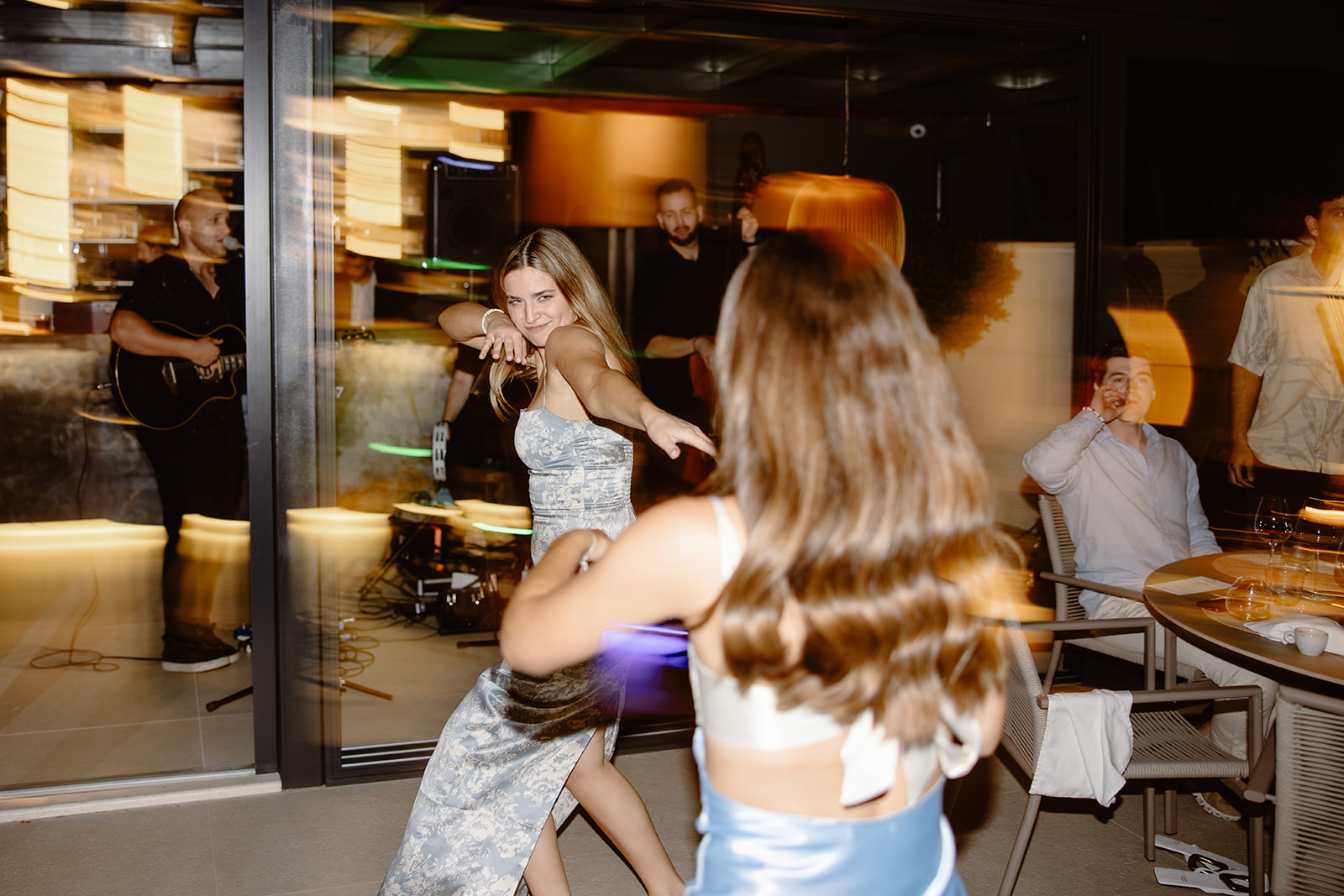
Local culture & experience – Include touches like Dalmatian cuisine, live musicians, or traditional customs to enrich the experience
Chic Croatia is a Croatia-based wedding planner offering bespoke celebrations for discerning couples from around the world. Get in touch today to schedule your consultation call.