This guide to getting married in Croatia as an American helps you navigate every step of your wedding celebration. Based on our experience, US couples find that thoughtful planning, helpful resources, and the right support make the process effortless and truly memorable.
TABLE OF CONTENTS:
-
Choosing the destination and venue from the US
-
Legal requirements for Americans
-
Best months to get married in Croatia
-
Communication with your planner and vendors from the US
-
Travel to Croatia from the US
-
Getting around Croatia
-
Croatian wedding traditions
-
Local wine and cuisine
-
Cultural etiquette
-
Croatia travel tips
Choosing the Croatia destination & Venue
We recommend beginning your research by exploring wedding destinations in Croatia. Croatia is home to many stunning locations, each offering its own charm and character. Our clients typically choose venues that match their style and vision, whether it’s a historic fortress, a chic island villa, or a hidden garden estate. Chic Croatia Wedding Planner will guide American couples in finding the perfect venue — explore these Croatia wedding venues to start your search.
Popular wedding destinations in Croatia include:
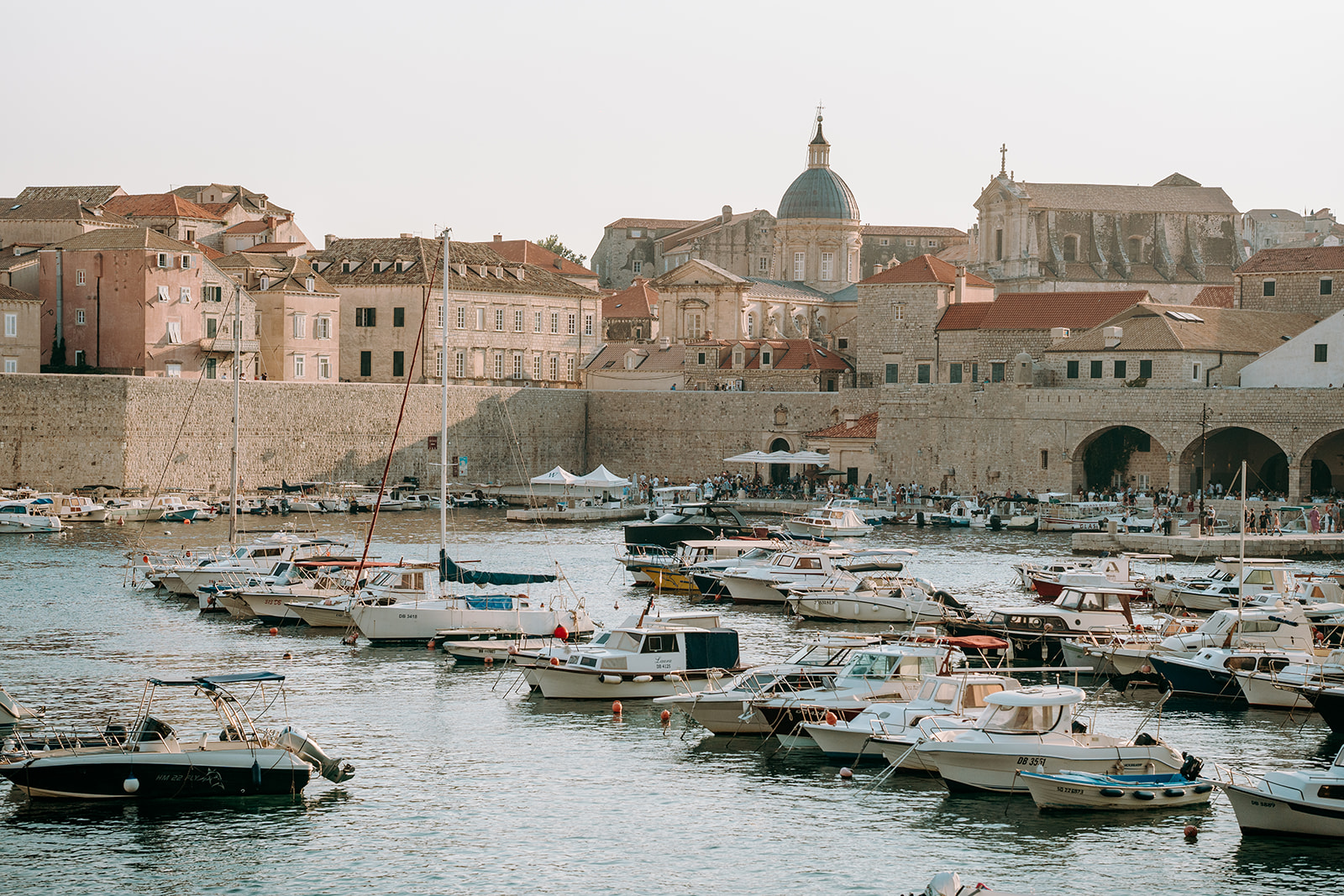
Dubrovnik and the Surrounding Region
Dubrovnik, historically known as Ragusa, is world-renowned for its timeless beauty, rich history, and seaside charm. The area features stunning venues such as Lovrijenac Fortress, Lazareti, Višnjica Estate, and other hidden gems.
Island of Hvar
Hvar is Croatia’s chicest island, famous for its sunny climate, vibrant atmosphere, and exclusive venues. Our clients typically choose locations like Palace Elisabeth or Laganini Beach Club in Palmižana for a stylish and unforgettable celebration.
Split and its surroundings
Once primarily a gateway to nearby islands, Split is now one of Croatia’s most vibrant destinations. Historical and lively, the city boasts iconic venues like Villa Dalmacija, renowned for its heritage, style, and stunning views.
Istria
Often called the “Croatian Tuscany,” Istria offers rolling hills, garden villas, hidden wineries, and exceptional culinary experiences — from fine wines to truffles and olive oil.
Other Croatian Islands – Brač, Vis, Šolta
Croatia’s islands are perfect for couples seeking a slower, more intimate celebration. From seaside restaurants to elegant garden villas, these locations embody relaxed, island style of living.
Legal requirements for Americans
A practical starting point is the US Embassy in Croatia, which provides detailed guidance for American citizens on getting married in Croatia as an American. Couples are required to provide following documents:
-
A valid passport
-
Birth certificate translated into Croatian, with an apostille
-
A marriage affidavit (“Certificate of No Impediment” or “Free to Marry” documents) — issued at the US Embassy and authenticated by the Croatian Ministry of Foreign Affairs
-
Presence of a certified court interpreter during the application and ceremony
Navigating the legal requirements in Croatia can be complex, and many couples choose to work with a wedding planner to ensure all documents are prepared correctly and the process runs smoothly.
Best months to get married in Croatia
The most popular wedding months are May, June, September, and early October. July and August, though hotter and busier, offer reliable weather and long, sunny days.
We recommend securing your wedding planner and venue 12–24 months in advance. Our US based clients typically choose their dates early to allow time for travel arrangements and sharing plans with family and friends.
Communication with your planner & vendors
Choosing your wedding planner is one of the most important decisions when planning a Croatian wedding from the US. Based on our experience, effective communication and expertise are key to a seamless experience when it comes to getting married in Croatia.
Chic Croatia planner provides flexible call times to suit our US-based clients’ schedules.
Local or international vendors?
We generally recommend local vendors. Croatia has an exceptional network of high-end wedding professionals, including photographers, floral designers, DJs, and artists. Our clients typically choose local vendors, though we have successfully collaborated with international vendors when requested.
Travel to Croatia
Flights
United Airlines offers seasonal direct flights from the US to Split, usually from spring through early fall. Other options include connecting flights via major European hubs like Frankfurt, London, or Paris.
Visa Requirements
American citizens do not need a visa to enter Croatia and may stay up to 90 days.
Accommodation –Croatia offers a range of accommodations, from boutique and quality hotels to private villas, Airbnbs, and luxurious five-star resorts. Our clients typically choose properties that align with their wedding style and preferences.
Getting around Croatia
Popular destinations include Dubrovnik, Split, Plitvice Lakes, and Hvar island.
We recommend renting a car to explore Croatia’s stunning regions at your own pace. Driving allows you to discover local hidden gems, scenic coastal roads, and charming little villages that are often missed when using only public transport. Croatia’s road network is generally well-maintained; however, many roads—especially along the coast or on smaller islands—can be narrow and winding. Couples who are not comfortable with such driving may prefer hiring a private driver or using local transfers.
For longer distances, such as from Dubrovnik to Split or Istria, it is advisable to book high-speed ferries or flights.
Croatian wedding traditions
Croatia has many beautiful wedding traditions:
- Handing guests rosemary sprigs as a symbol of love
- The “false bride” tradition, where the groom is first presented with a decoy bride
- Throwing rice or confetti as the couple exits the church
- The first dance of the newlyweds – emotional and highly anticipated moment that is often a highlight of a celebration
- Barjaktar — the flag bearer leading the procession
Local Wine & Cuisine
Each region offers unique culinary specialties, from Istrian truffle pasta to oysters in Ston. Croatian cuisine is widely regarded as one of the Mediterranean’s must-try food experiences.
Wedding Menu Recommendations:
- Welcome: sparkling wine with local snacks and spreads
- Cold Appetizers: charcuterie boards, octopus salad, pâtés
- Hot Appetizers: traditional risottos or pasta with seafood or meat
- Main Courses: slow-roasted lamb, Dalmatian pašticada, fresh wild-caught fish
- Desserts: rozata, fritule, kroštule
- Cake: traditional cakes like hrapoćuša, Trogir cake, or Split cake

Explore our detailed recommendations for Croatian wedding cuisine, designed to help you create a menu that will delight both you and your guests.
Cultural etiquette
-
Say ‘Dobar tek’ before meals – it means enjoy your meal
-
Toasts or short prayers are common before large celebrations
-
Handshakes when meeting someone new
-
Coffee culture is strong; with many social meetings and quality time spent over a cup of coffee
-
When visiting a home, bring a small gift such as wine, chocolate, or coffee
Croatia travel tips
-
Dress respectfully in churches and historical sites. Avoid entering a church during mass
-
Respect nature and avoid littering
-
Carry cash, as smaller shops and konobas may not accept credit cards
-
Tap water is safe to drink
-
Graffiti is common in some cities, especially in and around Split area
-
Tipping is appreciated but not mandatory
—
To explore specific destinations and venues, visit Wedding in Croatia Complete Guide 2027 & 2028. Chic Croatia Wedding Planner will assist you in getting married in Croatia as an American, helping plan and coordinate every detail of your celebration. As an experienced Croatia wedding planner, Chic Croatia wedding planner helps couples create seamless and elegant celebrations.